scentsofman
Lavender Hydrosol
Lavender Hydrosol
Couldn't load pickup availability
Lavender Hydrosol
Cleanse, Tone and Repair Skin - Naturally.
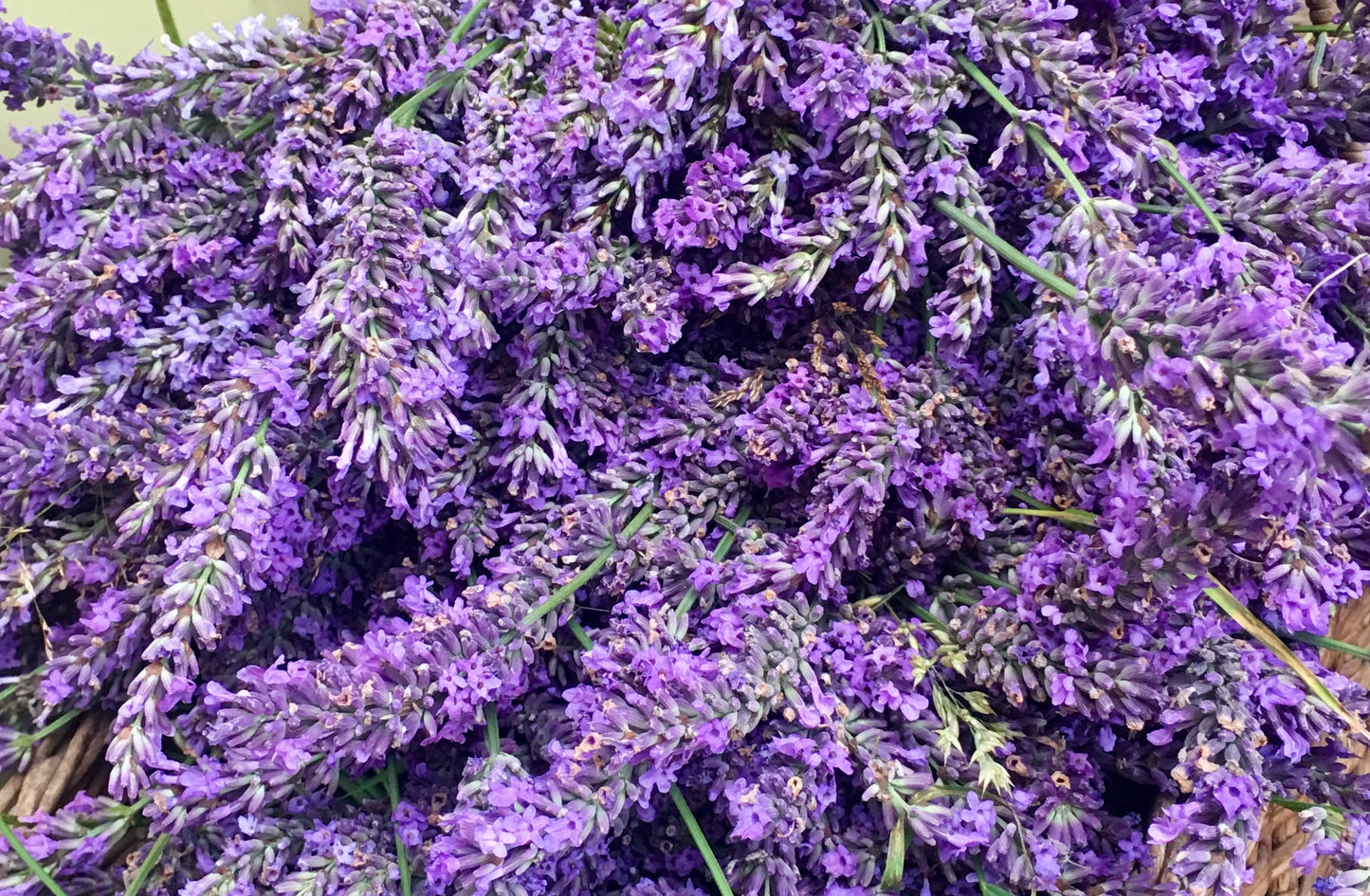
Lavender : Lavendula angustifolia
Best for normal to combination, acne-prone skin.
-
Distilled from our own fresh plants, picked when dew has dried and the maximum level of plant constituents are available.

-
Lavendula Angustifolia is chosen for its hydrophilic components that have been used to soothe skin for centuries.
-
Unlike many hydrosol manufacturers, we remove nothing - all the precious oils stay in the water, making them perfect for skin care. * We have never used pesticides.
-
They are thoroughly dried, to eliminate moulds, whilst retaining their precious essential oils. Distilled and bottled the same day to keep the hydrosol as fresh as possible.
-
*(Manufacturers more often remove the lavender oil, to sell separately, or add distilled water to a tiny amount of essential oil with chemicals to hold the two together.)
Other Options:
Calendula: best for sensitive, damaged or dehydrated skin.

Honeysuckle: best for sensitive, sun-damaged skin.

Rose: Dry, mature and blemish-prone skin.

Yarrow & Borage: Best for dry and sensitive, prone to rosacea and eczema.

Chamomile: best for sensitive skin.

We keep a small amount of Evening Primrose, Cornflower and Lemon balm, if you would like one of these, please email.

Keeping Hydrosols Fresh.
Please keep your hydrosol cool, out of sunlight and sealed. Once opened, they are effective for up to a year. We keep some from every batch and continue to test them. After two years or more we have found they often still have the same scent and pH, with no signs of blooming cloudiness or detectable deterioration. Nevertheless, we recommend using a hydrosol within 3 months of opening. If there is a change in the smell or in the appearance, it should be discarded. As part of the EEC, we are obliged to preserve our hydrosols, to keep them safe to use (un-preserved water-based ingredients can carry dangerous bacteria, even when distilled in a clean environment. We use a thorough, but naturally occurring preservative.
It is important to check any plant allergies you might have.
People do drink hydrosols, but ours are prepared for use on skin, not for drinking.

There has been a growing trend for using hydrosols to cleanse and tone skin. This is partly due to people becoming more aware of the potential harm harsh chemical cleansers can cause. Hydrosols have been taken as drinks and used in first aid relief for centuries, (especially on battlefields!) as most contain anti-septic, anti-bacterial and anti-inflammatory properties.
The individual constituents vary across species and there can even be disparity between the chemical structure of one sub-species and another. For this reason, we have taken our time whittling down our plant list and now grow just those with the best evidence of being beneficial to skin.
All our crops are grown pesticides-free, GMC-free, GMO-free.
Vegan: Yes Animal Testing: No Country of Origin: Isle of Man

History of Distilling Plants for Hydrosols
Plants have been distilled for thousands of years for their apparent health benefits. The oils produced during the distilling process were siphoned off and used for perfume and for use in religious ceremonies. The ancient Chinese and Egyptian civilisations were the first to document the distillation of both herbal waters and alcohol. As the process became more complex, these were often mixed together. The practice spread across the world during the 8th and 9th centuries, by the 12th century, most monasteries in Southern Europe produced a distillate of herbs. These were prescribed for various maladies, from toothache to plague and the recipes were a closely guarded secret. People bathed in them, sprinkled them on clothes and drank them - for general good health or simply to prolong life…
Taking the Waters…
The famous Carmelite Water was made by nuns and monks, using a variation of: lemon balm, cloves, coriander, angelica, orange peel and an alcoholic grape juice (which developed a niche market all of its own...) . This was tremendously popular for over a century, until 1810, it was banned by Napoleon. However, it was the high prices being charged for it that he objected to, he personally used the herb distillations daily. He suffered with ‘neuro-dermatitis’ which affected most of his skin and was only soothed by lying in a bath of hydrosol for hours.
The Modern Take - The process is now well established and plants, roots and barks all produce popular hydrosols. More delicate plants, like the tissue-like Evening Primrose petals, need steam to lift out the precious constituents, whilst more fibrous plants, only release theirs when steeped in water. As different properties are extracted in each method, knowing your plant is important.

Hydrosol or Essential Oil - Hydrosols differ from essential oils in that they are much less concentrated. The distilled water contains the hydrophilic (water loving) properties that are not in essential oils. But the hydrosol has only a small amount of constituents that are lipophilic (oil loving). When the water is saturated in all the oil it can dissolve, the oil then begins to separate out and sit on the surface. This is the part collected for essential oils. Many of phytochemicals can be effective in small amounts in a daily routine. Hydrosols are well-tolerated by skin and their potent, but gentle properties work well, especially on sensitive skin, with a tendency to react to both oily and alkaline products.
We produce hydrosols for use on the skin - before consuming hydrosols for any therapeutic purpose, please consult a physician. Anyone who has an allergy to a particular plant should avoid other plants from the same family. So anyone who has had a bad reaction to calendula, should also avoid German chamomile.